Cailabs
Aerospace & Defense
Laser communications constitute the next generation of secure, ultra-high-throughput space and terrestrial communications, free from spectrum licensing constraints. Cailabs’ light shaping technology greatly enhances the performance of its TILBA® laser communications product line, delivering unmatched reliability and ease of deployment.
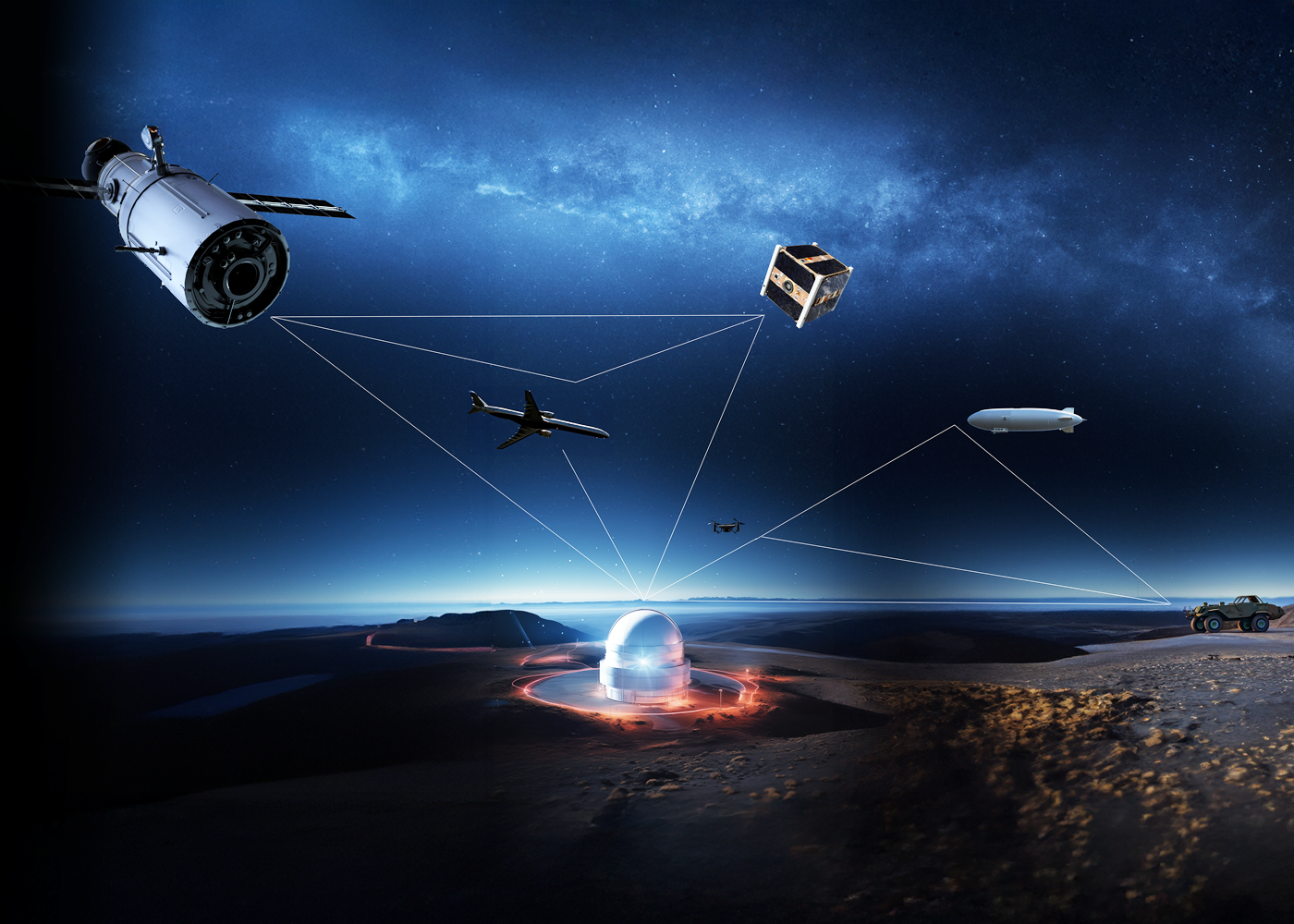
Cailabs develops, manufactures and delivers TILBA®-OGS optical ground stations, supplying its customers and partners with industrial optical ground stations that meet both industry standards and the specific requirements of space-to-ground links. Designed for secure, robust and spectrum license-free bidirectional links at 10+Gbps TILBA®-OGS integrate technology building blocks ensuring high-performance bidirectional optical links.
Leveraging our patented Multi-Plane Light Conversion (MPLC) technology, our optical ground stations also include three unique technology building blocks for performance optimization: TILBA®-ATMO and TILBA®-IBC for static management of atmospheric turbulence on both the receiver side (Rx) and the transmitter side (Tx), and TILBA®-CBC for scalability to meet future Tbps feederlink requirements. Cailabs’ stations comply with CCSDS and SDA standards and are agnostic in terms of throughput rate, protocol and modulation format.
Line-Of-Sight Optical Terminals
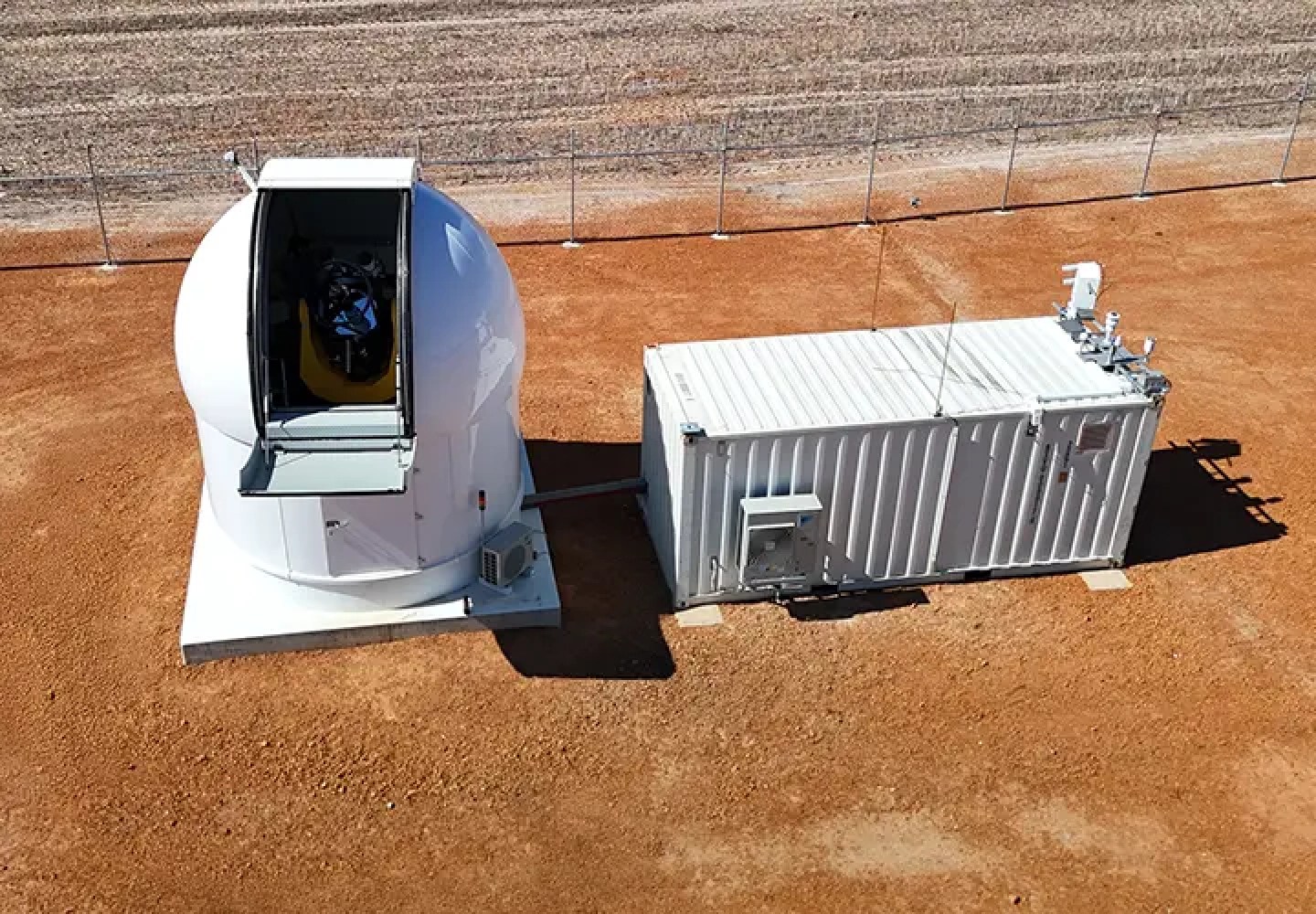
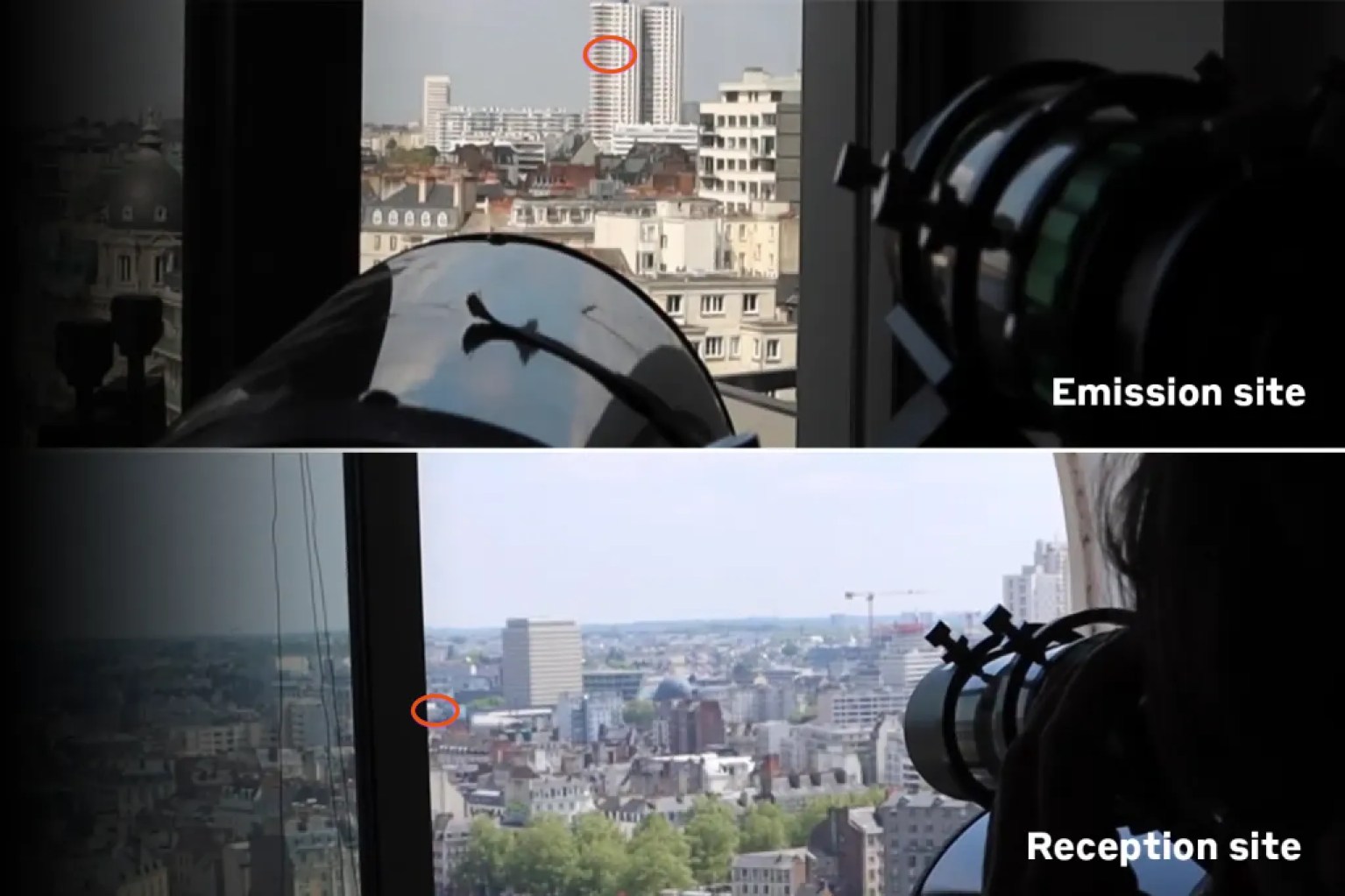
TILBA®-LOS is designed for 10 Gbps point-to-point atmospheric links over distances exceeding 10 km. This solution enables the deployment of robust, highly secure wireless communication networks due to their invulnerability to interception and resistance to jamming. In addition, since optics are free from spectrum licensing constraints, the communications enabled by TILBA®-LOS exceed the main technical limitations of standard radio frequency signals currently used for free-space communication. Cailabs’ TILBA®-IBC technology is integrated into TILBA®-LOS. This technology uses incoherent combining based on Multi-Plane Light Conversion (MPLC), enabling atmospheric turbulence management at transmission. It increases the reliability of point-to-point optical links through the atmosphere over distances of up to 10 km, making the beam more robust to turbulence and enabling more resilient strategic links. TILBA®-LOS optical terminals are compatible with conventional telecommunications infrastructures, making them easy to deploy. They can be custom-designed for use in harsh conditions, such as mobile, maritime and airborne environments.
TILBA®-ATMO
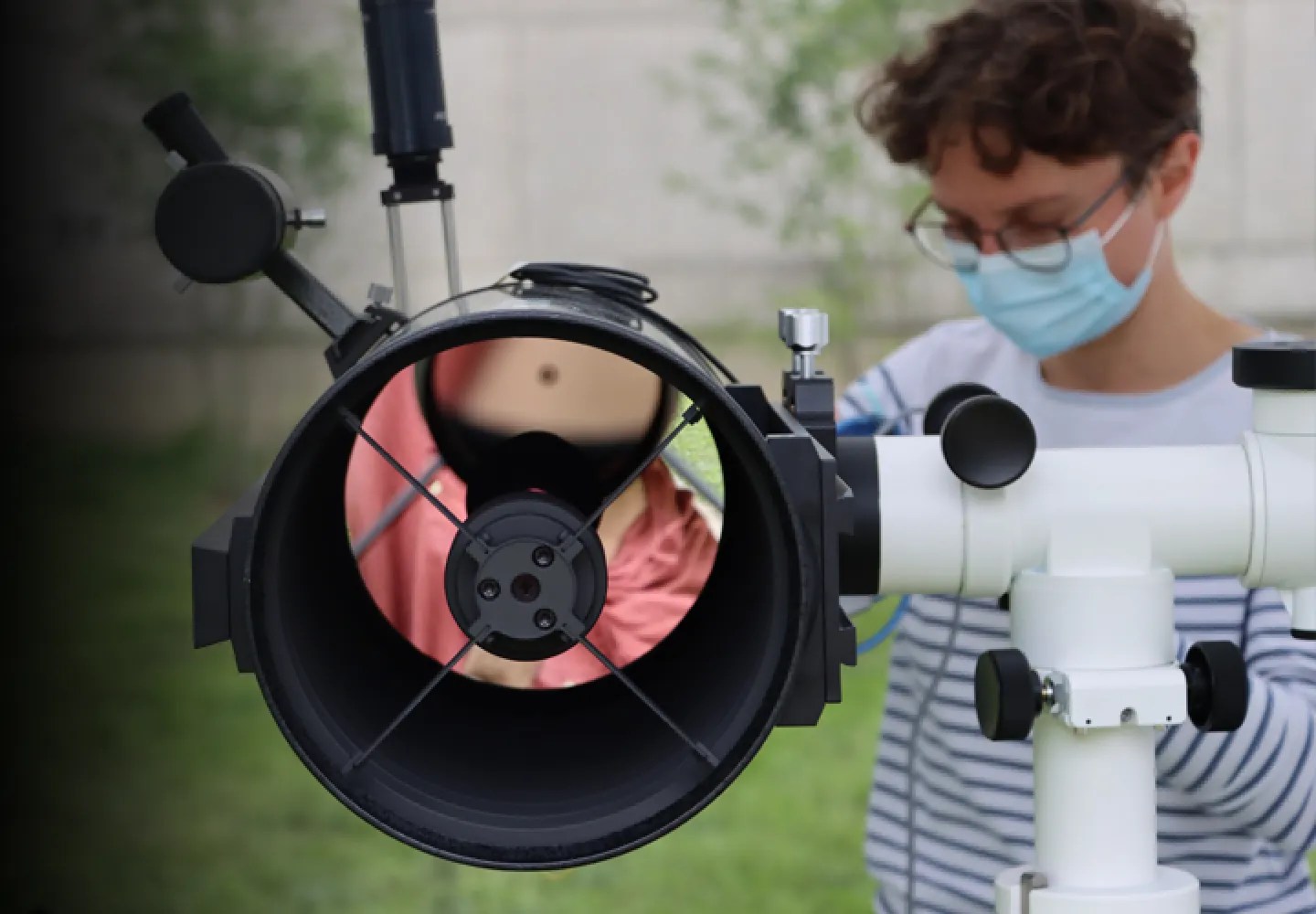
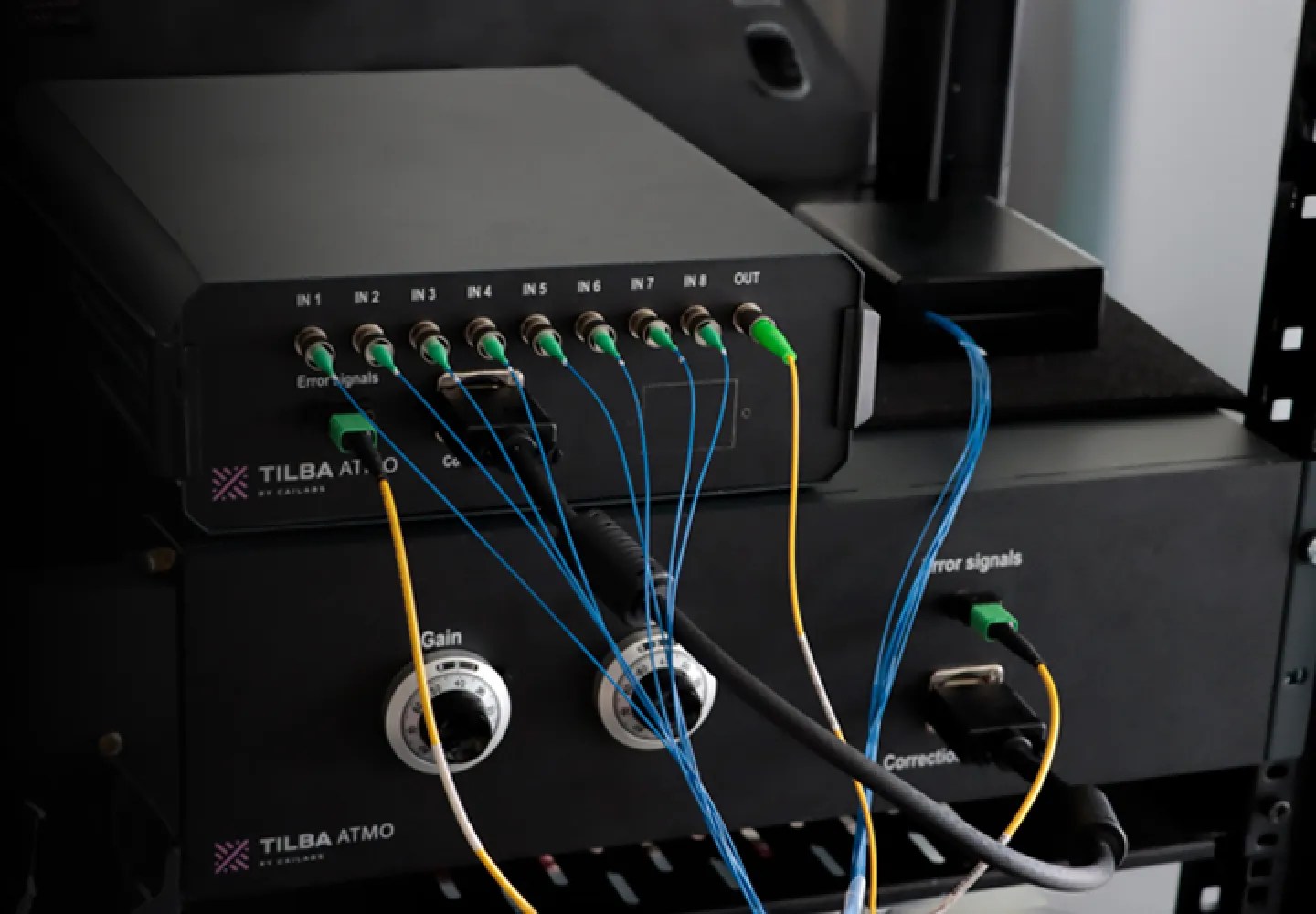
TILBA®-ATMO is a compact optical receiver designed to improve the reliability of high-throughput free-space optical links by mitigating atmospheric turbulence. Leveraging Cailabs’ Multi-Plane Light Conversion (MPLC) technology, TILBA®-ATMO couples a multimode signal into a single-mode fiber, the standard medium for optical communications.
The laser beam wavefront is disturbed as it passes through the atmosphere, making it difficult to collect and couple into a detector. TILBA®-ATMO solves this problem by decomposing the collected beam into a limited number of spatial modes using the MPLC spatial demultiplexer, and then coherently recombining them on an integrated photonic chip into a single-mode fiber, restoring a reliable output signal.
TILBA®-ATMO functions in a similar way to adaptive optics, but in a mechanically passive component, making turbulence mitigation more accessible, affordable and robust than with traditional approaches.
TILBA®-ATMO is integrated into TILBA®-OGS optical ground stations to receive satellite data.
TILBA®-IBC
TILBA®-IBC enhances free-space optical links by increasing transmission range and resistance to atmospheric turbulence through incoherent combining. The technology facilitates reliable, high-throughput optical communications through the atmospheric layers, supporting links to space and point-to-point connections over land, sea and air.
Spatial diversity minimizes signal disruption by simultaneously transmitting multiple independent incoherent signals. This means that the transmitted link is more resistant to turbulence because it is propagated through multiple uncorrelated channels. The spatial diversity technique used in TILBA®-IBC involves the incoherent combining of spatial modes, like a simplified version of using multiple transmitters. With TILBA®-IBC, spatial modes are generated using MPLC technology and are transmitted individually, ensuring that each one operates independently.
TILBA®-IBC is integrated into TILBA®-OGS optical ground stations to transmit satellite data, and into TILBA®-LOS terminals to enhance point-to-point links in highly turbulent atmospheric conditions, such as optical links using direct-detection modulation formats.
TILBA®-CBC
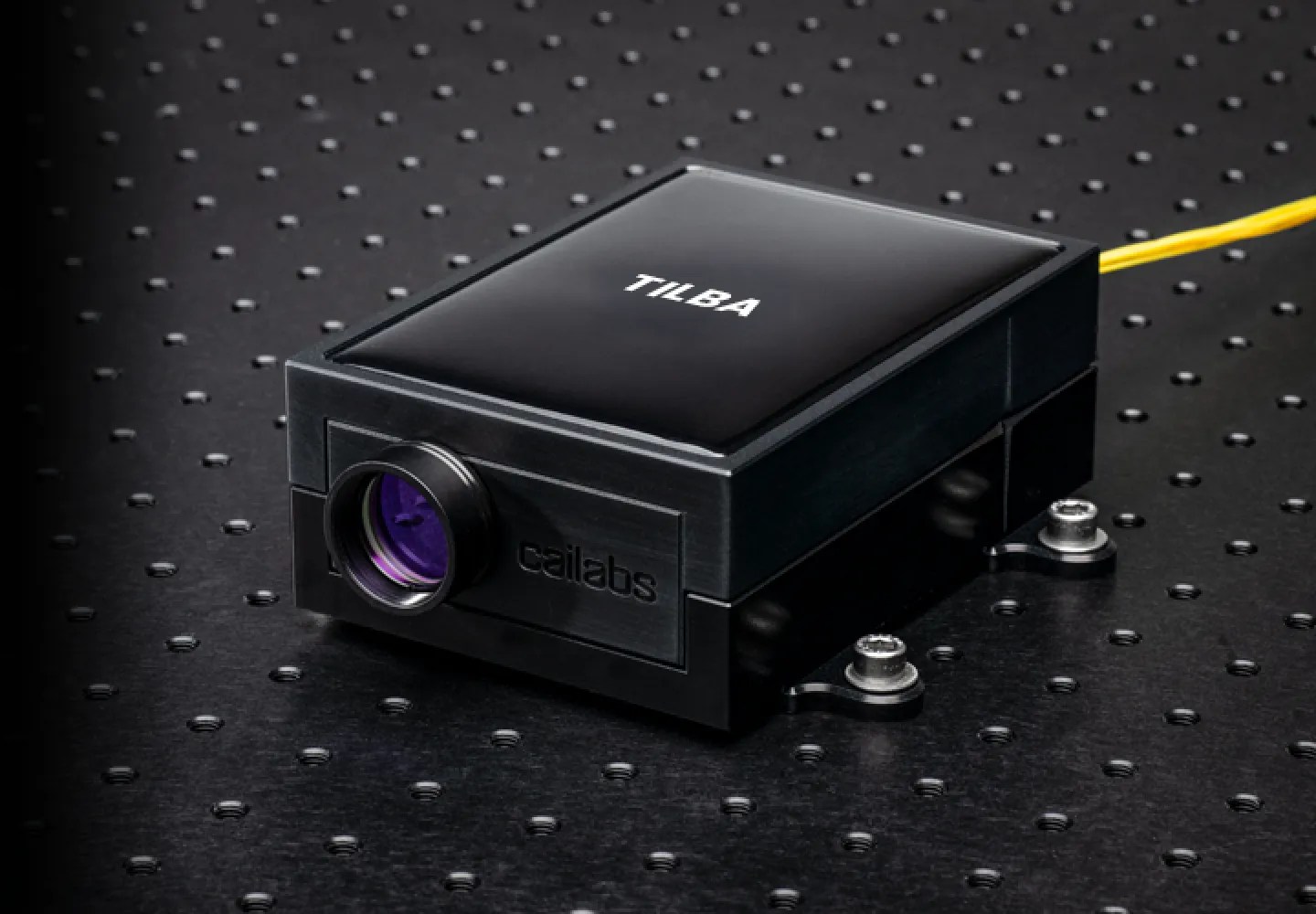
TILBA®-CBC enables the coherent combination of multiple optical sources to boost the range and throughput of laser communication links. The technology is particularly useful for ultra-high-throughput ground-to-satellite optical feeder links.
The coherent combination of multiple laser sources significantly increases the overall signal transmission power, overcoming the current limitations of telecom sources, which are capped at around 50 W. By optimally combining six low-power input beams using MPLC, TILBA®-CBC generates a high-quality telecom laser beam with an efficiency of over 80% and an output power up to 100 W class.
This technology building block enables Cailabs to offer custom and scalable coherent combining solutions that satisfy the high output power, specific modulation and throughput requirements of optical links.
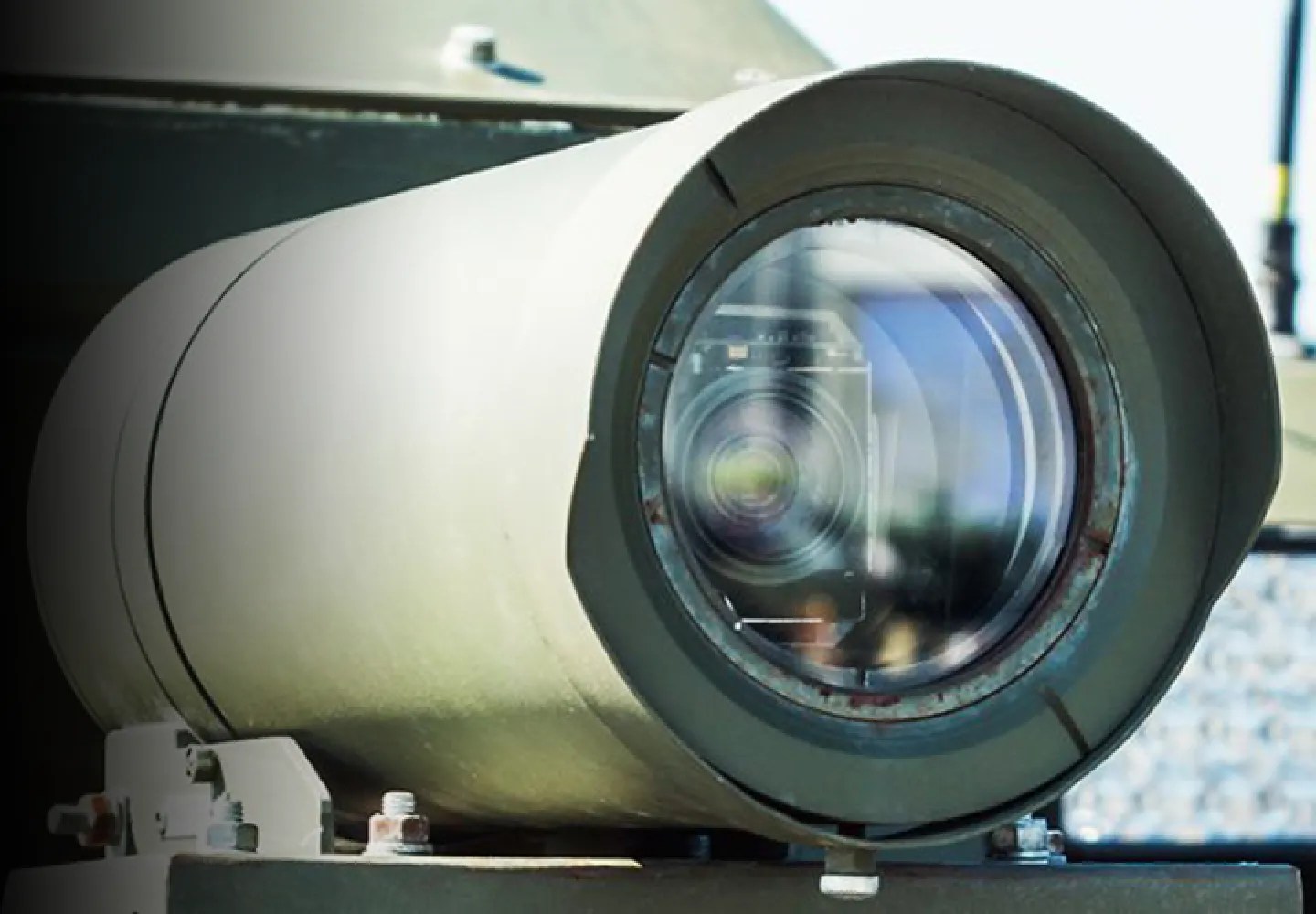
Lasers play a key role in defense applications. Cailabs’ beam shaping technology boosts the optical performance of all laser defense applications.

Incoherent combining and beam shaping in the Mid InfraRed range
Cailabs’ expertise in light shaping technology extends to the Mid InfraRed (MIR) spectrum, playing a crucial role in Directional Infrared Counter Measures (DIRCM). DIRCM uses a laser source to either blind or destroy the photoreceptive components of self-guided missiles, protecting aircraft, including helicopters, from this type of attack. To be effective, the laser source must emit light within the operating wavelength spectrum of the targeted optronic system’s photosensitive component, typically around 4 to 5 µm. Cailabs offers an innovative solution by combining Quantum Cascade Lasers (QCL). However, despite their ease of integration, QCL are currently limited to a few Watts in power. To address this, Cailabs has designed a module that enables the efficient incoherent combining of QCL outputs, generating a powerful combined beam with minimal divergence to effectively neutralize the thermal guidance mechanisms of missiles. Cailabs also offers beam shaping solutions for active imaging systems. This technology ensures uniform illumination of a specific area, facilitating a homogeneous backscatter signal intensity across the entire region of the receiver (photodiode array or camera).

Coherent combining and phase control for Directed Energy Weapons (DEW)
Programs to develop Directed Energy Weapons (DEW) have gained momentum, driven by the emergence of easily deployable laser sources and the increasing presence of drones on the battlefield. Solid-state fiber lasers offer multiple benefits, including thermal stability, high efficiency, elimination of the reliance on free-space optics, and, most importantly, excellent beam quality offered by waveguide technology. However, generating a high-power fiber source of around 10 kW to destroy a drone while preserving optimal beam quality poses a significant challenge. One possible solution is to combine medium-power, narrow linewidth fiber sources, but traditional combining techniques show limited effectiveness (achieving around 50 to 65% efficiency for tiled-aperture beam combining). Cailabs is actively engaged in research to address this challenge for DEW by enabling high-efficiency coherent beam combining with active phase control between sources. This method results in a high-power combined beam of optimum quality.
Cailabs currently offers a phase control solution that achieves an 80% combining efficiency at 1 µm on target

Fiber coupling and beam shaping module for telemetry applications
Cailabs develops compact modules for coupling multiple beams of different wavelengths, ideal for both ground-based and aerial targeting systems. Leveraging Cailabs’ innovative light shaping technology, the shape of rangefinder or pointer beams can be customized to the user’s specific requirements, including modified Gaussian, ring, triangle, and cross profiles. Each beam in the optical sight is individually shaped for optimal coupling. These compact modules are built to withstand the most demanding environmental conditions.
Dimension Encompassing Optics
© 2023 DEO Corporation. All Rights Reserved.
CONTACT
Office Phone : +82-31-707-2252
Email : info@deo-corp.com
 deo-corp.com